News Center
Mail Box:info@weier-glass.com
Contact phone: 0512-52569644
Address: Changshu City,Hai Yuzhen Fu Shan Xiao Qiaocun(10)white eggs Jing shore NO. 126
Contact phone: 0512-52569644
Address: Changshu City,Hai Yuzhen Fu Shan Xiao Qiaocun(10)white eggs Jing shore NO. 126
Hot Line
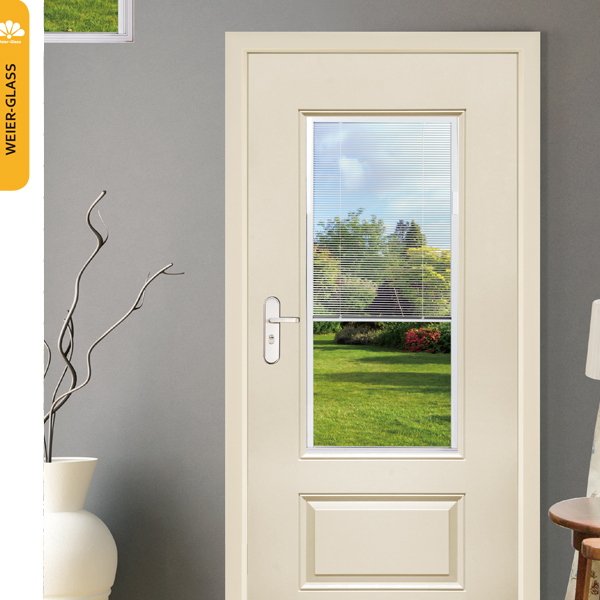
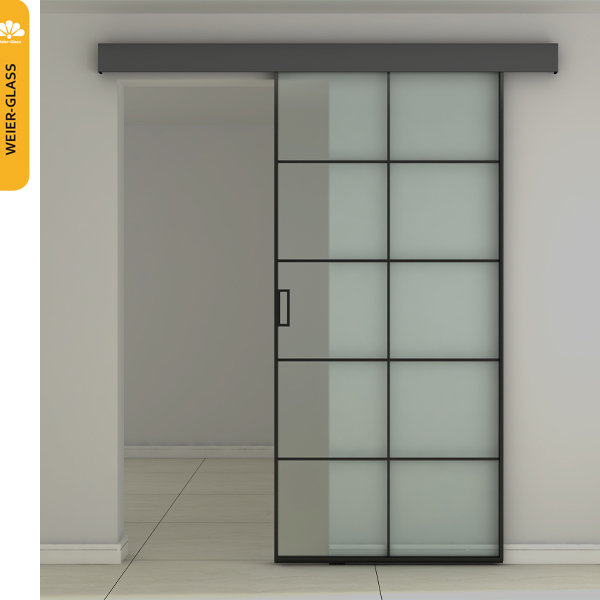
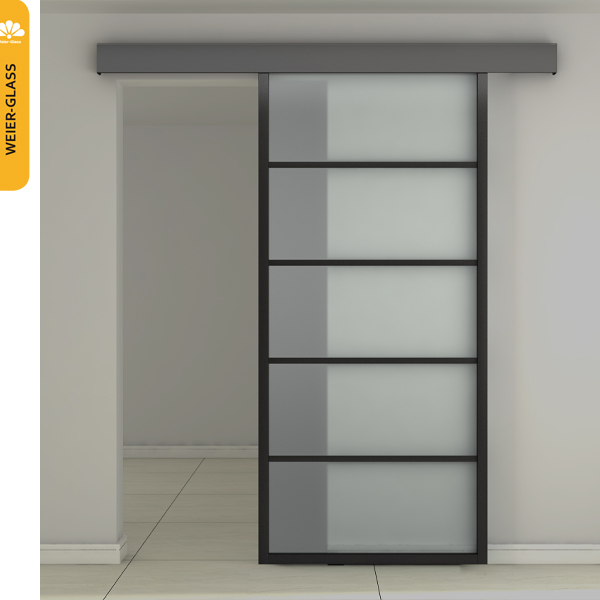
What is the transparency of louver glass
The transparency of louver glass is closely related to factors such as blade material, blade angle, blade spacing, and glass type, and can be flexibly adjusted for light intensity and direction through design. Analyze its transparency characteristics from different dimensions as follows:Sources:m.63134.cn | PublishDate:2025.06.03
1、 Core influencing factors and transparency performance
1. Blade material
Transparent/semi transparent materials (such as transparent acrylic, frosted glass, silk glass)
Transparency: The transparency can reach 60%~90%, close to ordinary glass windows, suitable for scenes that require bright light (such as offices and study rooms).
Features: The light directly penetrates and may cause glare, but the incident direction can be controlled by adjusting the blade angle.
Case: Transparent acrylic leaf blinds can be used in sunrooms to reduce direct sunlight by closing the blades and maintain high transparency when opened.
Opaque materials (such as metal, solid wood, PVC)
Transparency: The transparency is less than 10%, mainly achieved through slight light leakage through blade gaps or edges, suitable for scenes with high privacy protection requirements (such as bedrooms and bathrooms).
Characteristics: Light enters in the form of scattering or diffraction, forming a soft light and shadow effect without direct glare.
2. Blade angle adjustment
Fully open (0 °~15 °): The blades are parallel to the direction of light incidence, with high transmittance (close to the transmittance of the glass itself), suitable for daylighting.
Half open (30 °~60 °): The blades are tilted, and the light is reflected and refracted by the blades before entering the room, reducing the transmittance to 30%~70%. At the same time, it can block the external line of sight, achieving "light transmission without perspective".
Fully closed (90 °): The blades are perpendicular to the light, with low light transmittance (only the edge gaps are transparent), suitable for complete shading or privacy protection.
3. Leaf spacing and density
The larger the spacing: there are more gaps between the leaves, resulting in higher light transmittance, but the privacy protection decreases (for example, blinds with a spacing of 10cm have a 20% -30% higher light transmittance than those with a spacing of 5cm).
The higher the density: the more tightly arranged the blades, the lower the light transmittance, but the light blocking and sound insulation are improved, making it suitable for spaces that require a quiet environment (such as audio and video rooms).
4. Glass type (for built-in blinds)
Ordinary glass: The light transmittance is about 80%, and when paired with blinds, the light transmittance is controlled by the blades, making it suitable for daily use.
Low-E glass: with a light transmittance of about 50%~70%, it also reflects infrared light (with good energy-saving effect), making it suitable for scenes that require light transmission and insulation (such as rooms in the west).
Laminated glass/insulated glass: The light transmittance is similar to ordinary glass, but the sound insulation is stronger. The louver blades are embedded in it, making it less prone to dust accumulation (such as residential doors and windows).
2、 Transparency performance in typical scenarios
1. Home scene
Living room/study: Choose transparent or semi transparent blades with large spacing design, adjust the blade angle to 30 °~45 °, which can introduce sufficient light while avoiding direct glare, suitable for reading and office use.
Bedroom/bathroom: Using opaque blades (such as wooden blinds) with small spacing, the blade angle is adjusted to 60 °~90 °, and the light transmittance is controlled at 10%~20%, ensuring privacy while providing soft diffused light.
2. Office/commercial scenarios
Open plan office: using metal blinds and electrically adjustable angles, the light transmittance automatically adjusts with the intensity of light (such as fully open in the morning and half closed at noon), balancing lighting and air conditioning energy consumption.
Showcase: Made of high transmittance acrylic blades arranged densely, with a fixed blade angle of 0 °, it effectively displays the product's light receiving effect and creates a unique aesthetic of light and shadow through the blade shape.
3. Special scenarios (such as sunrooms, greenhouses)
Sunshade requirements: Use dimmable glass louvers (such as PDLC dimming glass blades), which are transparent when powered on (with a light transmittance of 90%) and atomized when powered off (with a light transmittance of 30%), and can switch the light transmittance mode with one click.